
| Significant Achievements/ Milestone: |
- CBCPC members and adolescent clubs showed commitment to continuing activities even in the absence of direct NGO support, proving that empowered community structures can ensure sustainability and ownership of child protection initiatives.
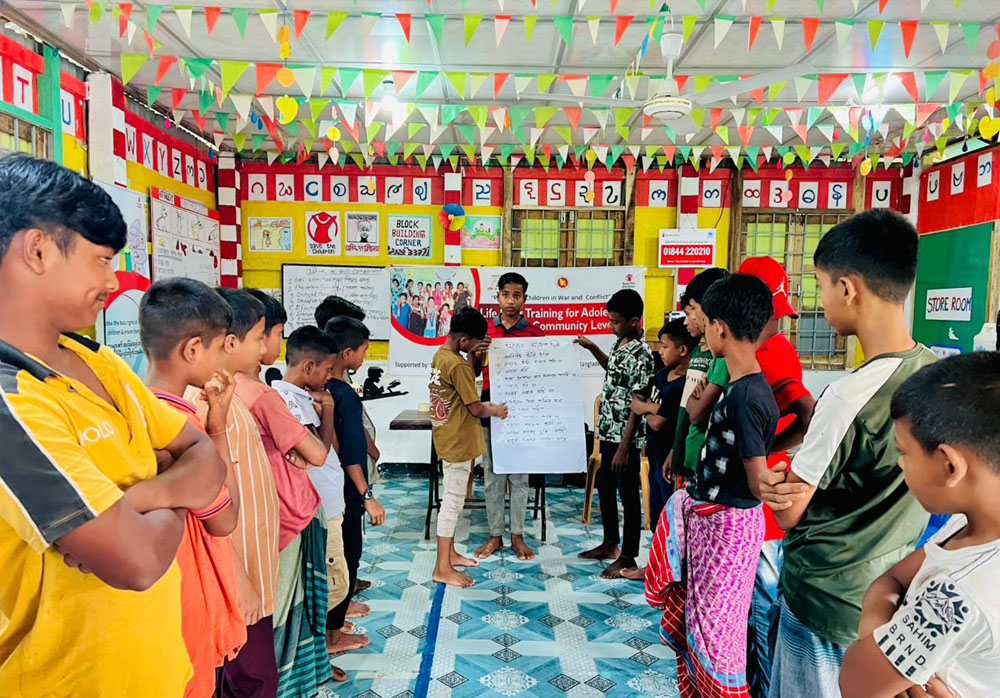
- Adolescents took leadership roles in drama, awareness, and environmental initiatives. When given responsibility and trust, they became powerful change agents for peer education and community awareness (e.g., NYP-RC, KTP-RC).
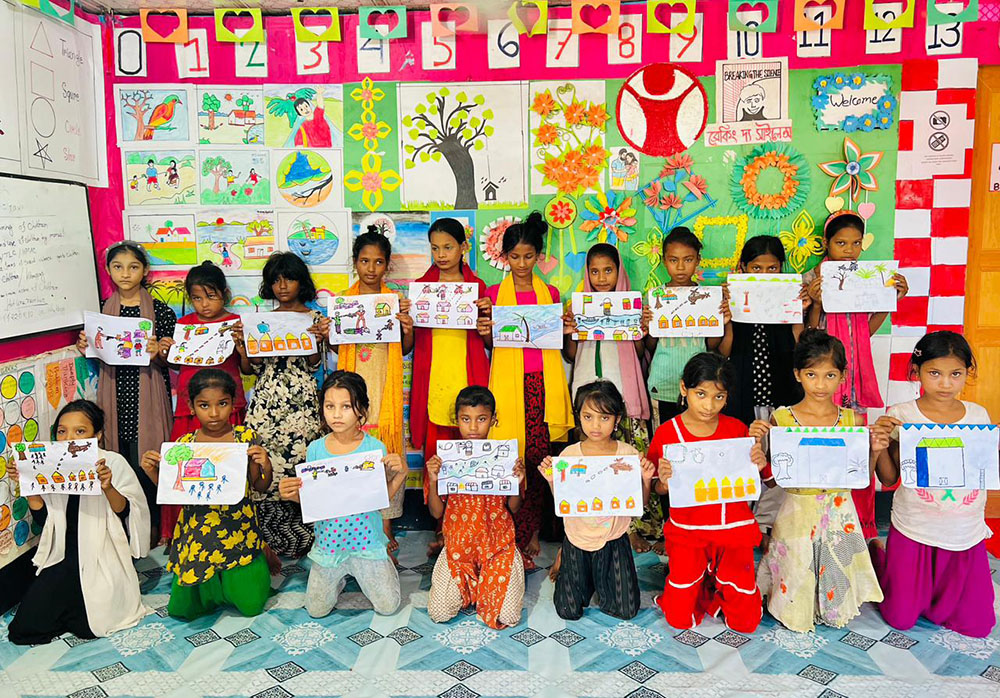
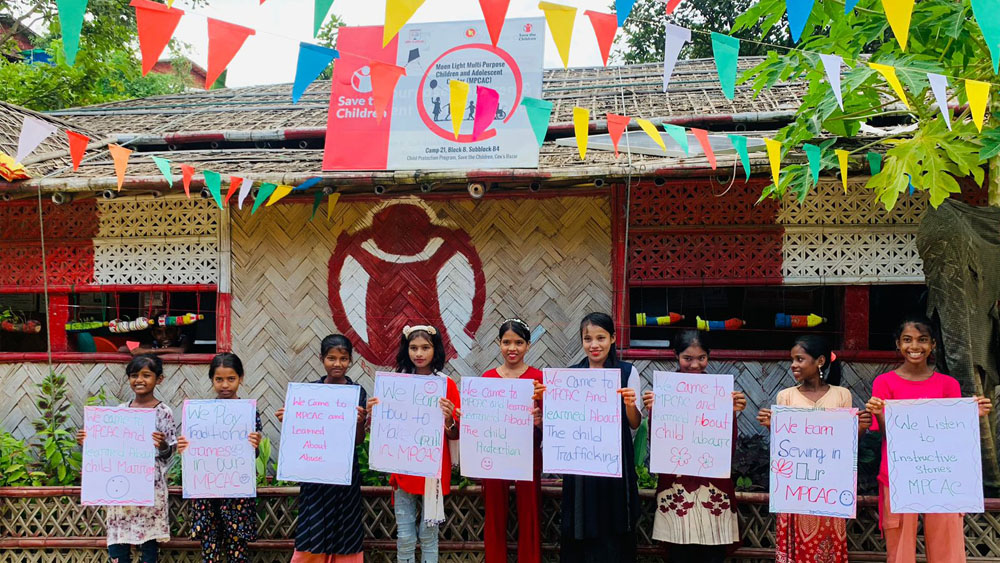
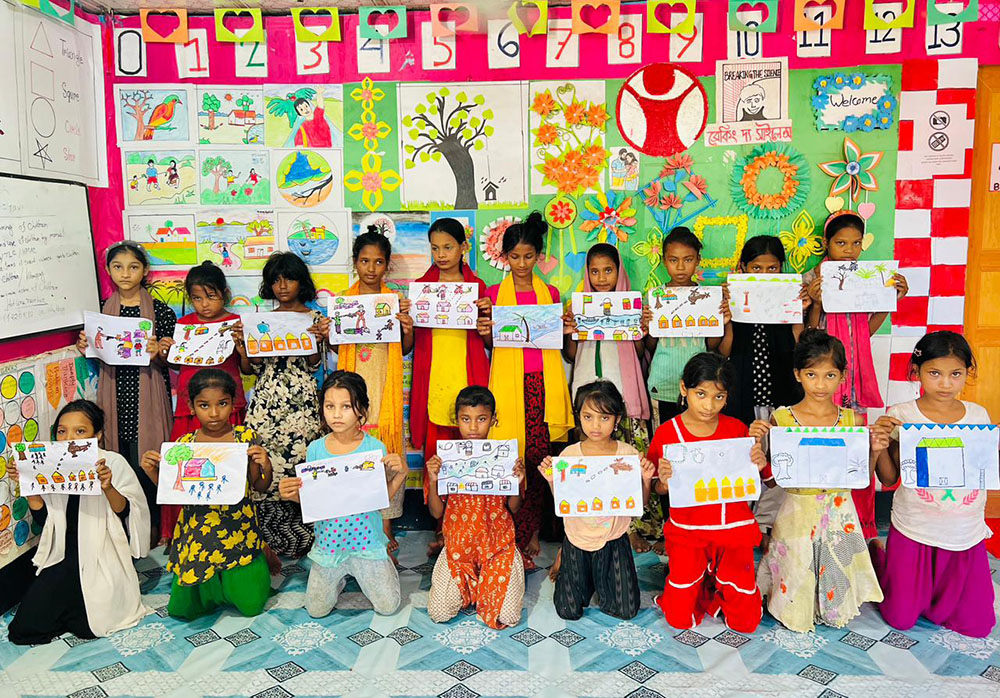
- CP awareness videos, drama, and drawing sessions enhanced engagement and message retention more effectively than lectures—especially in low-literacy communities (Camp-22, Whykong, Camp-26).
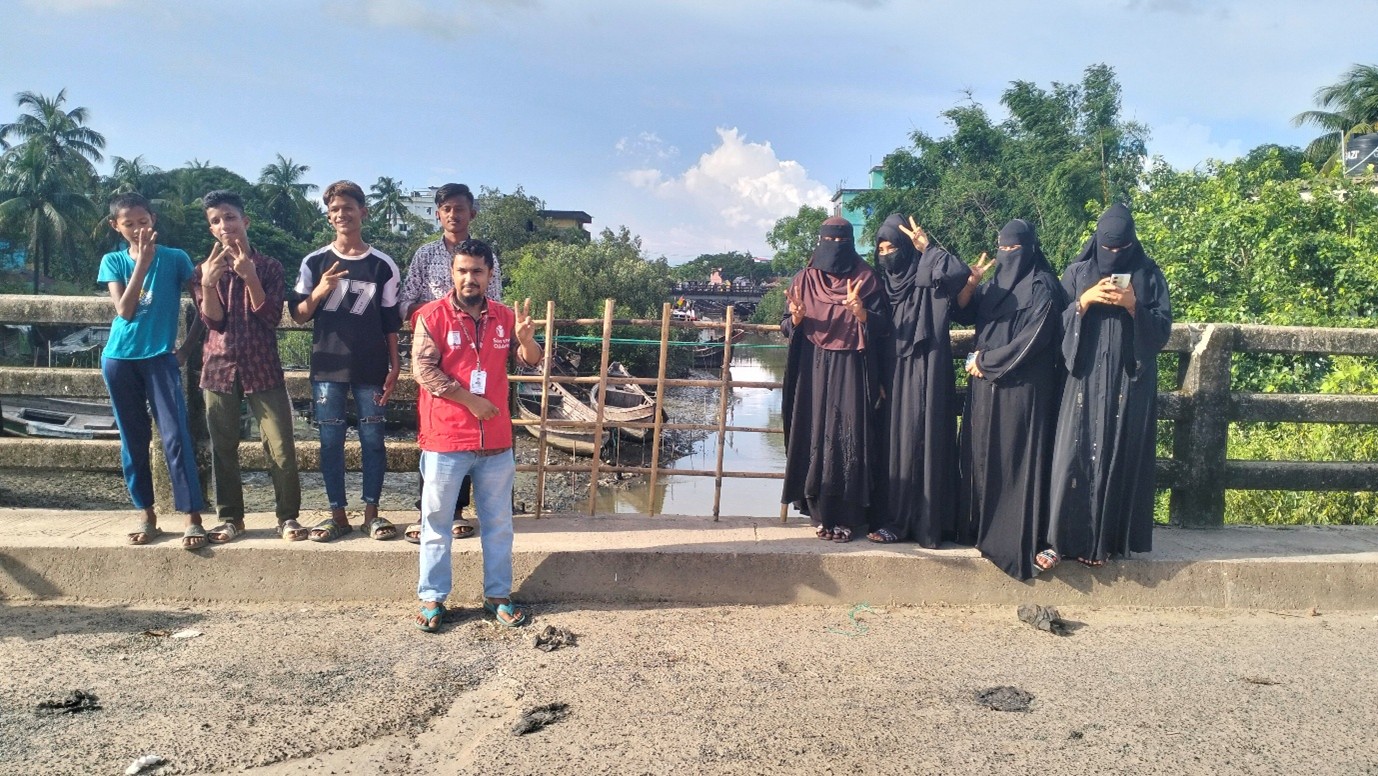
- Tree planting, plastic-use reduction, and cleanliness drives were involved when outlined around child health and future wellbeing, showing how environmental themes can be anchored in child protection goals (Whykong, KTP-RC).
- Outbreaks of dengue and chikungunya, rain, and overcrowded venues disrupted participation. Flexibility (e.g., smaller group sessions, open-air venues) was key to keeping momentum (Camp-26, NYP-RC, Camp-21).
- Scheduling conflicts, miscommunication, and unclear expectations reduced attendance in some meetings. Pre-scheduling, focal point communication, and reminders were identified as critical for consistency (Palongkhali, Camp-22).
|
| Aligns With SDG: |
SDG 10 – Reduced Inequalities
- Promotes inclusion of children with disabilities.
Works with both refugee and host communities, reducing social tensions.
SDG 16 – Peace, Justice, and Strong Institutions
- Strengthens child protection systems, coordination with government agencies, and law enforcement training.
- Promotes accountability and child participation in decision-making.
|